

Church planting in the UK looks very different to the rest of Europe; but even on the mainland continent, it differs from country to country. In many of the countries where EMF works, any kind of new church is viewed with suspicion, or even as a cult. So just setting up and inviting people to a service (which in itself might be an alien concept) is unlikely to work. Instead, a church planting team has to get involved in the community, make friends, show hospitality, and a host of other things that allow them to build trust and relationships – and this is where the creativity comes in. We’ve spoken to a few of our workers involved in church planting work, to see how they are finding their place in their communities: what their ideas have been, how they are getting alongside their neighbours, and how that then builds towards the church as a whole.
From coffee shops (with a difference) in Thessaloniki, Greece, to regular badminton sessions in a local sports centre in Kirkkonummi, Finland, EMF missionaries are full of ideas when starting a church plant. In some cases, it happens quite organically –an established church begins to hold meetings in someone’s home in a nearby town, and over time it grows into a church plant. But in other cases, there is no ‘soft launch’. It is simply that someone has a vision to start a church in an unreached area, and so they go there, and do that.
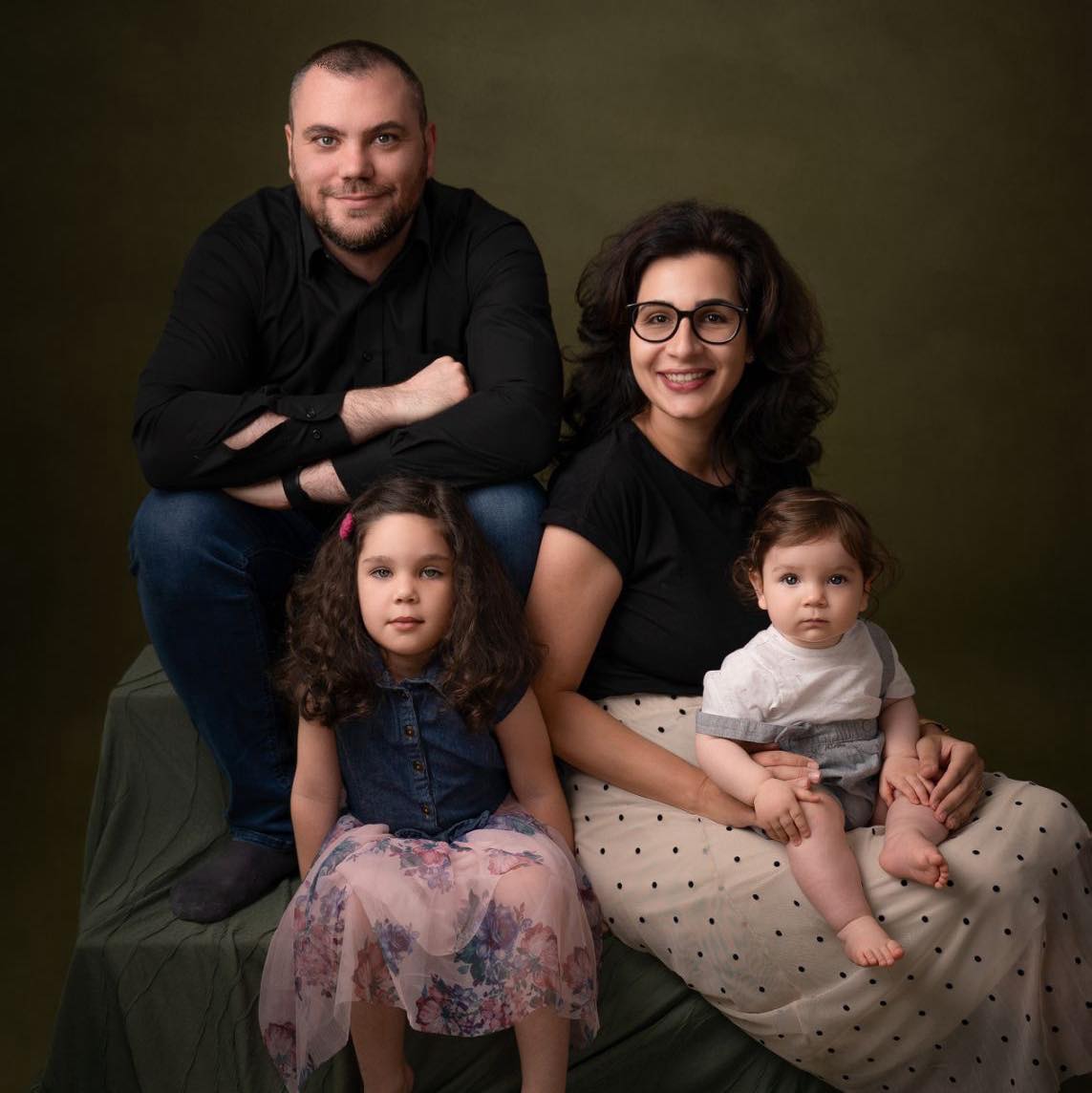
Take Andy Stelmasiak, for example. He is one of EMF’s newest missionaries, and he has recently returned to Lublin in his native Poland, to plant a Reformed, evangelical church where there hasn’t been one for almost 400 years. We asked him if he had a team to help. He said no – just his family: his wife Joanna and 3 small children. So where does he start?
Andy has a number of ideas about how to work very intentionally in their context. For example, Lublin is a vibrant university town with no fewer than 9 universities. He says: ‘Students often find themselves in seasons of transition, asking deeper questions about purpose, identity, and truth. By hosting discussion groups, offering language exchange evenings, and creating spaces for thoughtful dialogue, we aim to build genuine relationships rather than one-off encounters. Over time, these relationships may open doors for deeper conversations about faith.’
Andy also believes he’ll have opportunities with the many Ukrainian refugees who have come to the city in recent years – navigating displacement, uncertainty, and loss, they will need practical support, friendship, and pastoral care. ‘Whether through language assistance, shared meals, or simply offering a listening ear, we hope to reflect Christ’s compassion in tangible ways’, Andy says.
And he adds, ‘We also recognise the importance of serving the wider community in practical ways. Acts of service – whether helping newcomers settle into the city, supporting those in need, or partnering with local initiatives – all these demonstrate the gospel in tangible form, and show that biblical Christianity changes lives.’
Several years into a church planting journey is Iliya Marinov, in Ruse, Bulgaria. Evangelising on the streets does not work there, he says: you’ll be seen as something strange, or worse – as something dangerous. So when asked if he had a strategy for becoming trusted in his community, his answer was simple. Hospitality.
Hospitality is a normal part of life in some countries, but not in Bulgaria. He explains, 'For a Bulgarian to open his home is a big deal, because of the culture we’ve been left by Communism. In the Communist era, if you invited someone to your house, people might have thought you were a spy. Also people had no money to “treat” others. So it’s a big deal when we meet people and invite them to our homes. But that’s what we do – a lot.’
He went on to explain that during these times of hospitality, he and his wife Christina, and others from their church, try to share the gospel through their way of life and through conversation. Children play together, the grown-ups talk, and food is shared. And later, they'll invite their new friends to come to church to find out more. He tells that in the last few months, they’ve had 3 newcomers to their church services, because of this hospitality.
Hospitality has also played a huge part of Romu and Liz Lasnes’ early days in their neighbourhood – the 11th arrondissement of Paris, where they opened Église Oberkampf last year. A vibrant, trendy part of the city, it is also the most densely populated urban district in Europe – full of young professionals and business activity. Romu and Liz, and others in their team, have moved into the area, and quickly set about inviting their neighbours along to their homes.
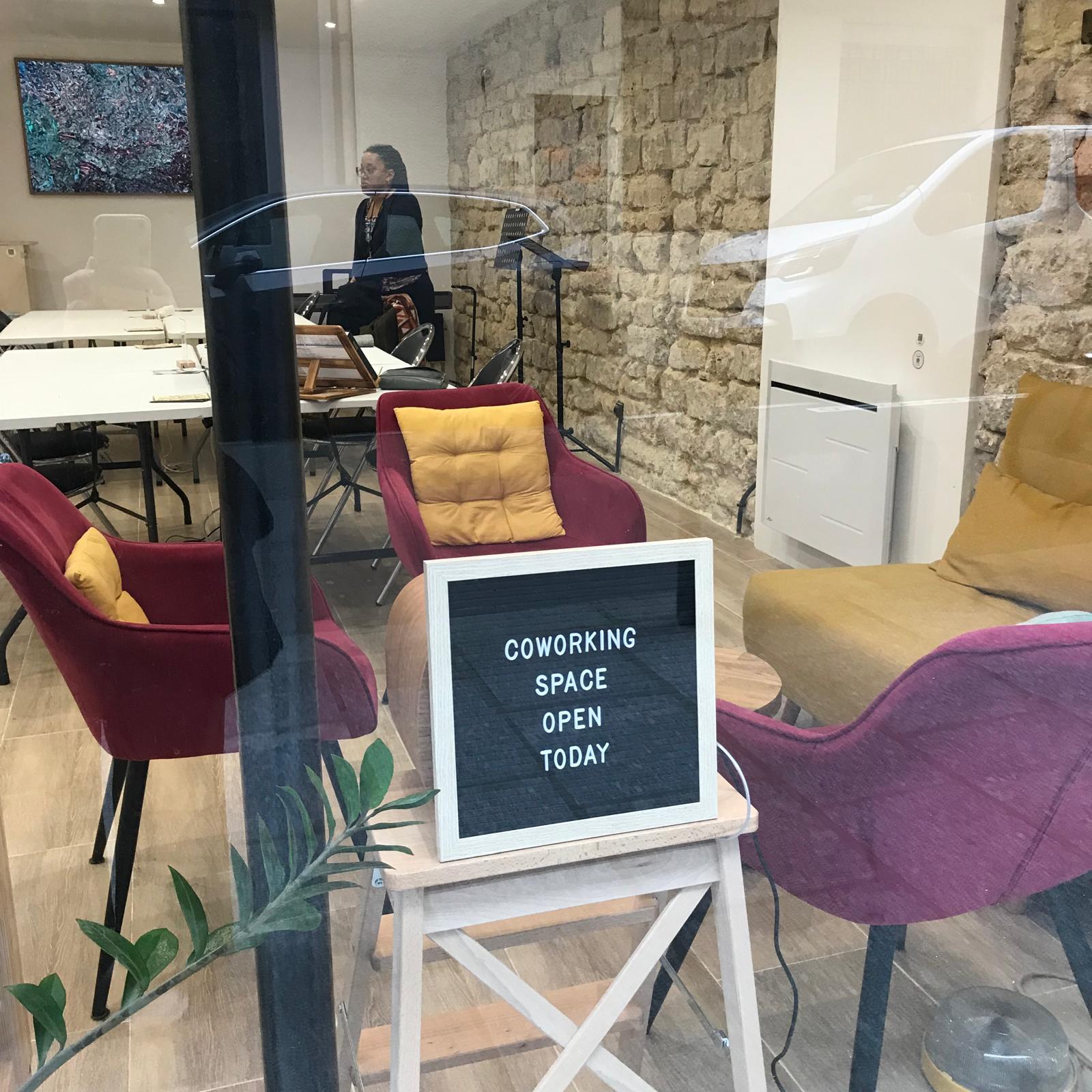
They have also started a new initiative recently, using their church building in a different, very practical way. Two days per week, it is open as a co-working space, where local people can come to work or study. There is room for 8 people to work comfortably, and they ensure that at any given time there are 2 or 3 Christians there to welcome others. They have had a number of visitors since they started earlier this year, and one regular visitor so far, who has been an encouragement to them. This self-employed man has got to know Romu over the weeks, and they will on occasion have a coffee break or lunch together. They are praying for more like him. Liz says, ‘Not everyone is looking for what we’re offering. Some people like the anonymity of a coffee shop. But even in terms of this one man, it’s been worthwhile. One evening he even stayed behind and joined with the church’s midweek prayer meeting! He’s a lovely guy who asks good questions, and it’s been great to get to know him.’
Romu and Liz also try to tap into local cultural events. Coming up in June is the Fête de la Musique, an annual national event celebrating live music. This normally brings a festive atmosphere, particularly in Paris, so the church plans to open its doors on the evening of the festival to welcome people in for drinks, music, and space for a rest or a chat. Liz says they this will allow them to introduce themselves, and to hand out some literature. They’ll also open the church on the Saturday morning that weekend for a coffee tasting, an art show, and activities for children. 6000 local residences will geta flyer inviting them to that event, which will hopefully allow them to meet more people and have some good conversations.
In all of these activities, our workers seek to be ‘the aroma of Christ’ (2 Cor. 2:15) in their communities. In the planning, in the evaluating, in the figuring out what works and what doesn’t, they also recognise the sovereignty of God in the salvation of souls, and the vital importance of being faithful to his Word above all else. Andy says this: ‘We want our gatherings to be shaped by reverence, simplicity, and faithfulness to Scripture. We are convinced that it is through these ordinary, often quiet means that God builds his church and nourishes his people’. Please pray on for our friends, as they work in their distinct settings with cultural awareness and sensitivity, to keep on being faithful to God’s Word, and showing Christ to those around them.
.jpg)

.jpg)
.png)


